
Approach Adana as a complete food city
Adana kebab is the city’s most recognised dish, but Adana’s table is broader than a single skewer. Soups, bulgur dishes, stuffed vegetables, offal, pastries, sweets, fermented drinks and seasonal produce form a food culture shaped by the Çukurova plain, Mediterranean heat and communal eating. A responsible tasting day should connect markets, ovens, grills and neighbourhood businesses without turning every stop into a challenge. Appetite matters, but so do timing, portion size, hygiene and respect for the people doing skilled work.
Start early around Kazancılar and the old centre
The historic commercial streets around Kazancılar Çarşısı offer a practical introduction to Adana’s working food culture. GoTürkiye’s suggested taste route begins here, where grills, metalwork and trade remain close together. Morning is a good time to observe preparation without the pressure of a long queue. Keep passages open, ask before photographing staff and avoid leaning over food counters. A small breakfast is wiser than beginning with several heavy dishes if you want to taste throughout the day.
Understand what distinguishes Adana kebab
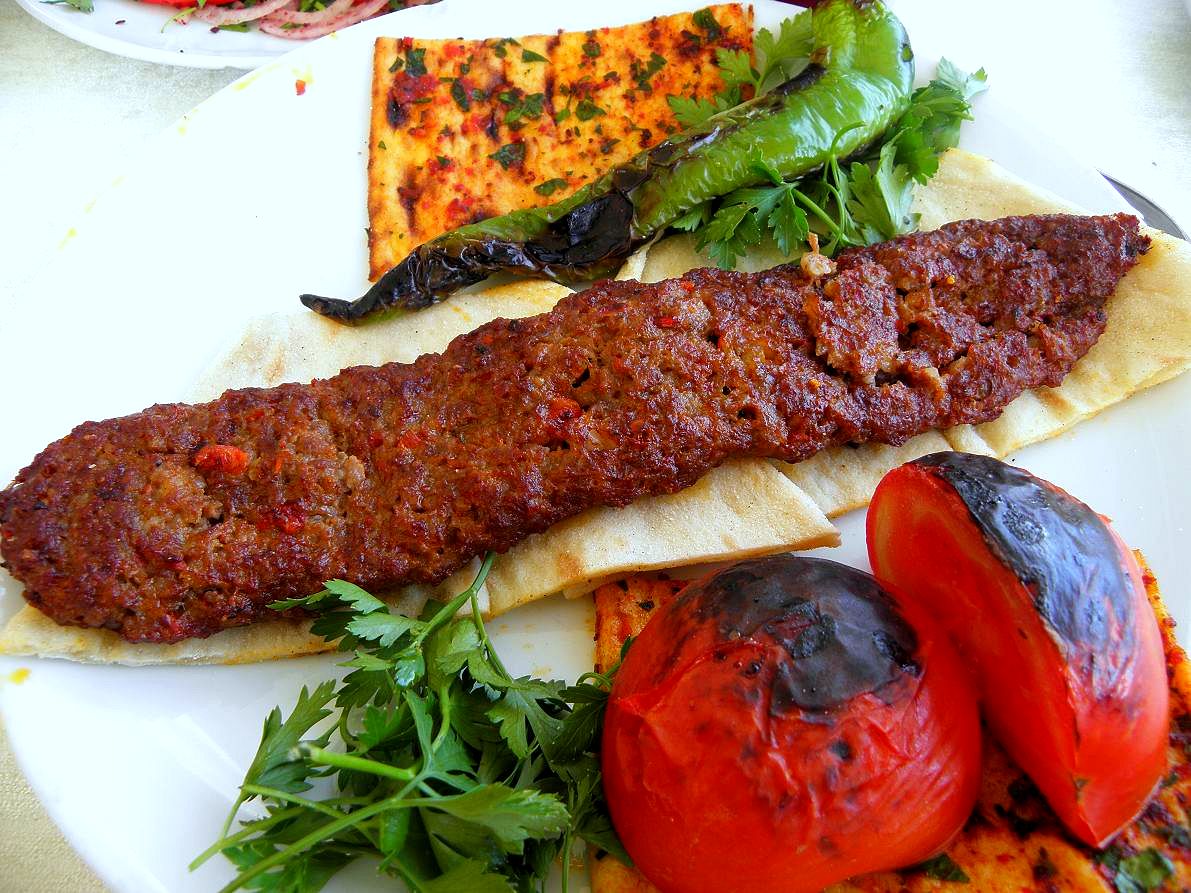
The official tourism description emphasises knife-minced lamb, seasoning and the relationship between meat, skewer and charcoal. The result depends on ingredient quality, fat balance, handwork and fire control. It should arrive with flatbread, roasted vegetables, herbs and salads that are part of the meal rather than decoration. Ask about portion size before ordering and consider sharing. The name “Adana kebab” appears worldwide, but tasting it in the city is an opportunity to notice technique, not to declare one restaurant the only authentic address.
Give the accompaniments equal attention
Onion with sumac, parsley, ezme, roasted tomato and pepper, lavash and seasonal greens balance the richness of grilled meat. Different restaurants provide different combinations, and refills may affect the final bill. Ask politely if pricing is unclear. Diners with gluten, sesame, dairy or pepper sensitivities should speak directly with staff because breads, sauces and preparation surfaces can overlap. Rather than ordering extra meat immediately, eat the full plate slowly and notice how acidity, herbs and smoke work together.
Taste şalgam as a fermented drink
Şalgam is closely associated with Adana and commonly served alongside kebab. It is made through fermentation using ingredients that can include black carrot, turnip, bulgur flour and salt. Flavour ranges from mildly sour to strongly spicy. Start with a small glass, especially if you are sensitive to salt or chilli. It is not an alcoholic drink, but it should not be promoted with unverified health claims. Ask whether the version is acılı, spicy, or acısız, mild, before ordering.
Look beyond the grill
Official Adana food guides list içli köfte, analı kızlı, yüksük soup, garlic meatballs, lahmacun, börek and hummus among the city’s characteristic foods. Not all belong in one meal. Choose a soup or bulgur-based dish at a home-style restaurant and compare its texture and seasoning with the grill experience. İçli köfte requires patient shaping and can be fried or prepared in other ways depending on the kitchen. Travellers with nut allergies should ask about fillings, while vegetarians need direct clarification because apparently vegetable-based dishes may use meat stock.
Approach offal dishes without performance
Şırdan, mumbar and liver kebab are visible parts of Adana’s street-food identity, especially later in the day. They are not tests of courage. Ask what a dish contains, how it is prepared and whether the vendor can provide a smaller portion. Choose busy, clean businesses with clear food handling rather than following a viral video. If offal is not part of your diet, there is no need to force the experience; Adana offers many other routes into local culture.
Leave room for sweets and seasonal produce
Ring-shaped fried sweets, taş kadayıf, karakuş pastry and bici bici show a different side of the city. Bici bici, associated with hot weather, combines starch-based pieces, crushed ice and flavoured syrup. Recipes and presentation vary. Share one dessert after a meal instead of collecting several sugar-heavy stops. Markets may also offer citrus, peppers, watermelon and products from the fertile surrounding plain. Ask about season and origin, and avoid assuming that every item on display is grown within the province.
Plan a balanced tasting day
Begin with a modest local breakfast, walk through the old commercial quarter and reserve kebab for an early lunch. Use the afternoon for the riverfront, museums or shaded rest, then choose soup, pastry or a small street-food plate in the evening. Adana can be very hot, so hydration and breaks are essential. Current business hours and availability should be checked locally. For more regional context, compare our Hatay gastronomy guide, Gaziantep food guide and Türkiye tours. The aim is not maximum consumption, but a clear understanding of how craft, climate and hospitality shape Adana’s table.
Ask before you order
Menus do not always explain spice level, portion size or every ingredient. A brief conversation prevents waste and makes the meal more comfortable. State allergies clearly, ask whether a dish contains meat stock, nuts, gluten or dairy, and request the price of seasonal items. Responsible food travel is not passive consumption: it rewards transparent businesses, respects skilled labour and leaves room for local dining customs.